

Microfiber Cloths
A Color For You!
Great for cleaning glasses, screens, lenses, and more.
With our largest assortment of colors available, you can't go wrong with these handy cloths!
- Clean without scratches or streaks
- Picks up 97% of germs and bacteria
- Washable and environmentally friendly
- High-quality microfiber
- Volume wholesale pricing available
Microfiber Cloths For Industry!
Different Uses For Microfiber Cloths
Why You Should Be Using Microfiber To Clean
Fascinating Features Of Microfiber Cloths
Cleaning Tips For Microfiber Cloths
History Of Microfiber Cloths: Part 1
History Of Microfiber Cloths: Part 2
Promotional Microfiber Cloths Available!
Put your logo or business name on a cloth for a
great give-away & reminder of your company
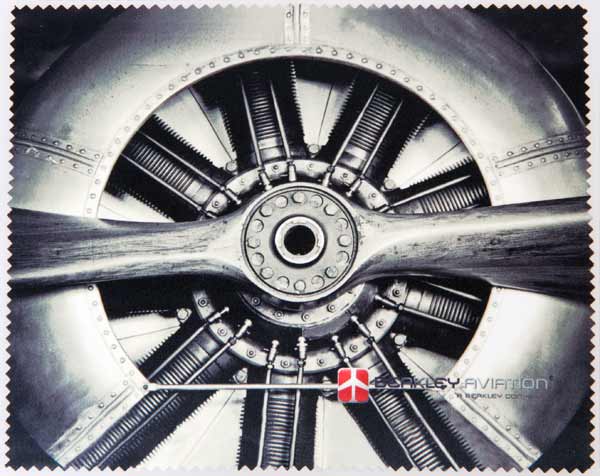
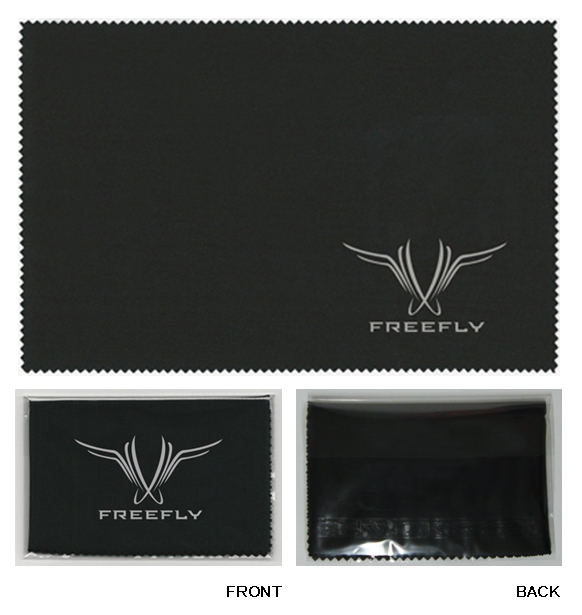

We offer carefully assembled high-quality microfiber
cloths for many different cleaning applications!
| Microfiber Quick Compare | ||||||
|---|---|---|---|---|---|---|
| Cloth Type |  Standard Silky |
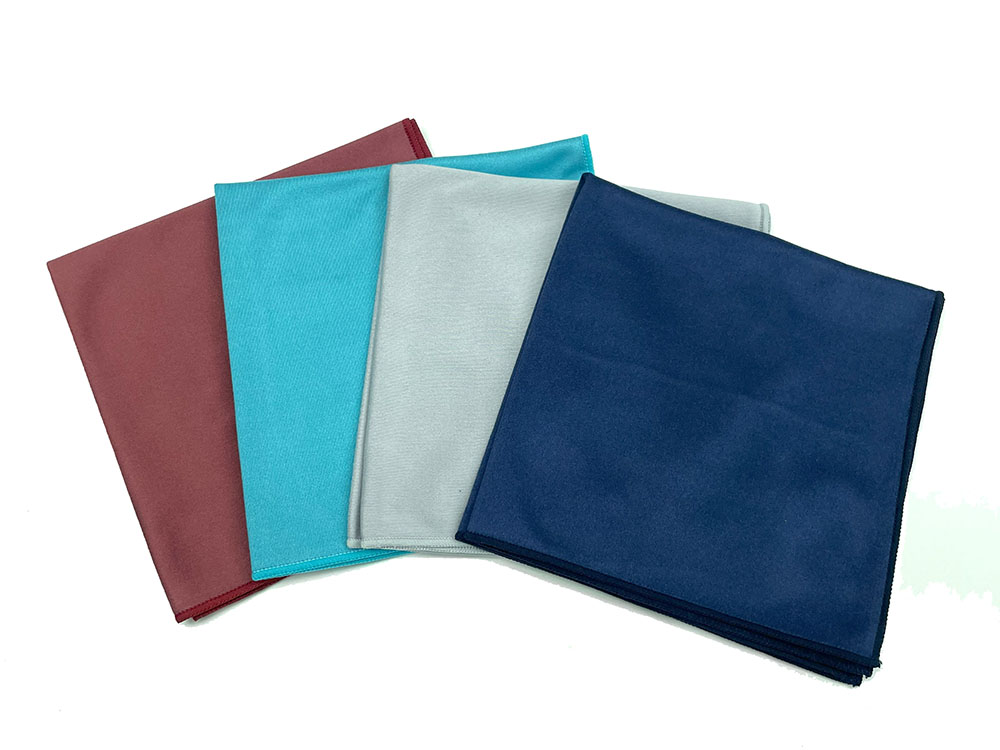 Large Silky |
 Suede |
|||
| SKU | 382 | 383 | 360 | |||
| Available Sizes | 6 x 7" | 12" x 12" | 12 x 12" | |||
| Edge Style | Zig Zag | Sewn | Sewn | |||
| Available for Promotional Use | ||||||
| Screen Cleaning | ||||||
| Auto Exterior | -- | -- | ||||
| Auto Interior | -- | -- | ||||
| General / Equipment | -- | -- | ||||
| Glass, Windows, Mirror | ||||||
| Industrial, Critical Cleaning | -- | |||||
| Lab, Hospital | ||||||
| Lens, Optical | ||||||
| Key: | -- = Not Suggested for Use | = Good Use | = Better Use | = Best Use |
With a large assortment of cloth sizes and materials, you'll be sure to find a microfiber cloth to meet your needs! We have microfiber cloths that are great for cleaning computers, tablets, cell phones, eyeglasses, auto interior and exteriors, and much more. If you need to market a product, we also have Promotional Microfiber cloths. We can customize a cloth with your logo or contact information to keep your business name in your customers' hands! Shop around and see how we can help you with your microfiber cloth needs.