Posts Tagged ‘cleaning’

Everyone Wants to be “Green”

Saturday, May 29th, 2010

These days most of us are looking for ways to do just about everything a little “greener”.
We know it’s the little things that, (in the long run), will make a big impact.

Here at Photodon.com, we’re always looking for more ways to do our part in keeping a cleaner environment.

So if you’re curious as to why the box that we shipped your order in looks like it was used before, it probably was; or why we used newspaper for packaging instead of a plastic mold, we have a lot of people giving us their old papers.
These are our “little things” that we practice to do our part for “greener” tomorrows.

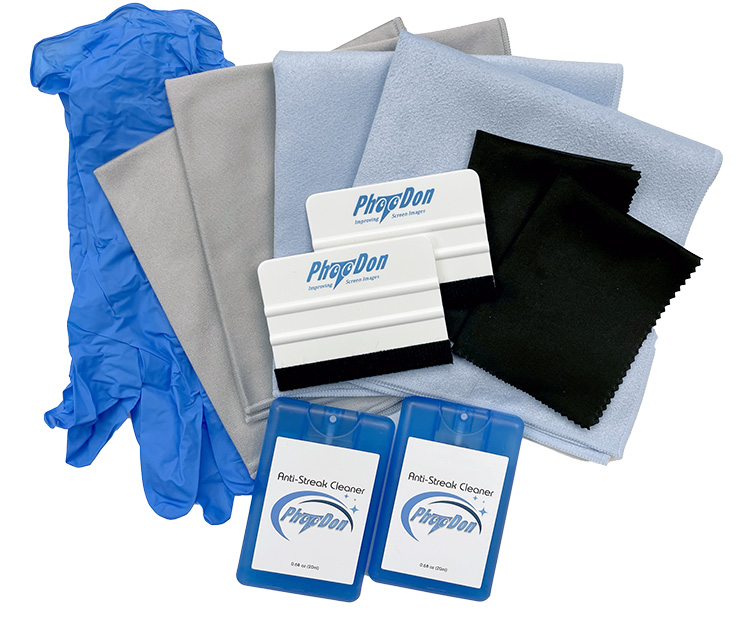
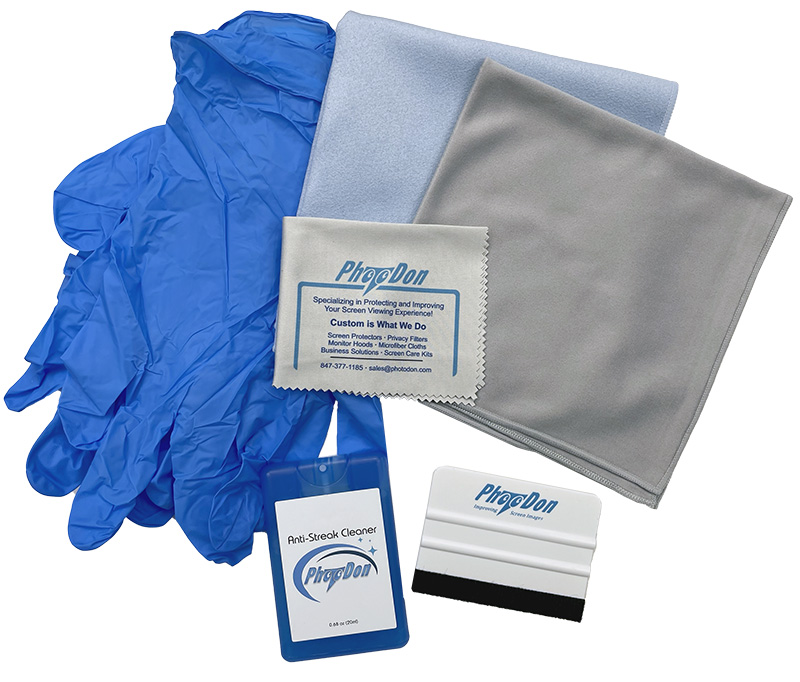
We also want to help YOU do your part so we offer products like microfiber cloths, natural cleaning solutions, and longer lasting screen protective films.

Not everything we offer is as “green” as we would like, so we ask you to be responsible when discarding used products.

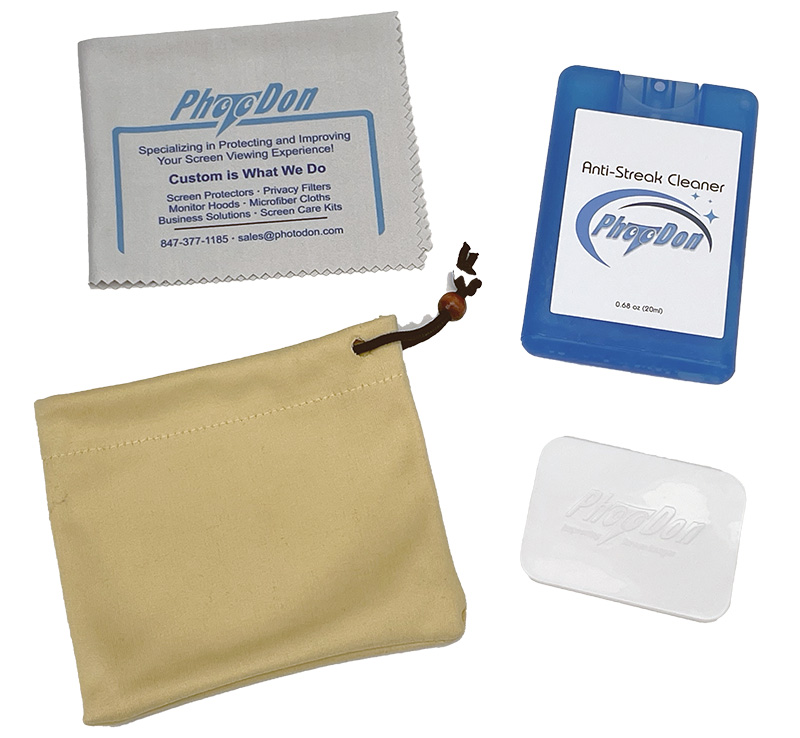
Remember to reuse spray bottles, or recycle them where such plastics are accepted.
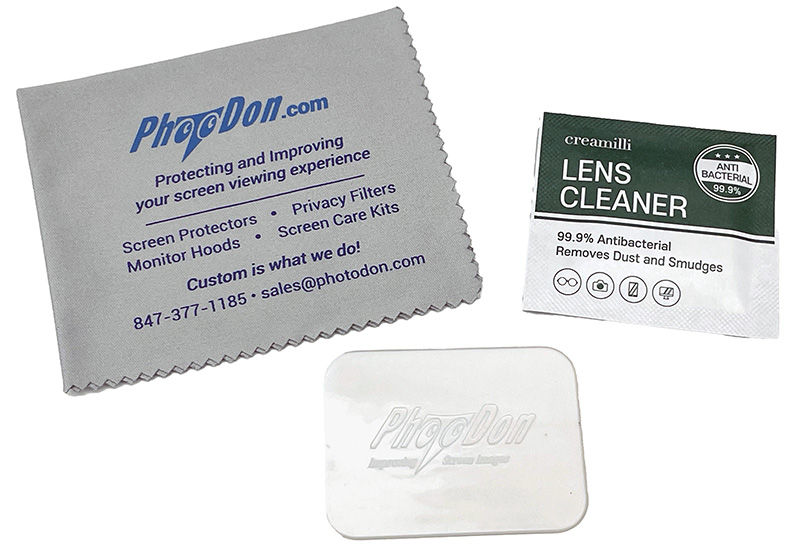
Use your lens wipes till they’re dry and make sure they’re disposed of in the proper baskets.

We’ve found the US EPA (United Sates Environmental Protection Agency) to be a very good source of information for where to recycle everything from plastics to used electronics! We suggest you bookmark this site as they are a very useful resource on how to care/help the environment.

We follow and feature some great folks who are wonderful advocates for recycling and for the environment, so come check them out on our Twitter and FaceBook pages.

Thank you for following this and all our blogs! Your feedback has been absolutely refreshing and we appreciate the time you take to leave your comments. We hope this week’s blog was useful to you!

Cleaning Tips for Microfiber Cloths:

Tuesday, April 13th, 2010

One of the advantages of microfiber cloth is that they can be washed and reused over and over literally hundreds of times. So here are a few tips for cleaning:

For non-critical cleaning, you can wash cloths with normal wash machine load just avoid washing with anything that might be linty. Also, do not use bleach or fabric softeners in the washer or dryer. Air drying is a safe bet, but they can be safely dried at low heat in clothes dryer.

For more critical cleaning, wash the cloths separately either by hand or in a wash machine in warm water, adding a small amount of detergent. Do not use any bleach or fabric softener and rinse at least one extra time. Air dry or use a clothes dryer on low heat using no fabric softener.

To sanitize: A microfiber cloth may be boiled for 5-10 minutes to eliminate any bacteria that may form in the fibers. Microfiber cloths do an excellent job of picking up dust and removing smudges. They will even remove oily finger prints from a surface without spreading it around, without any additional cleaners.

For more information about Microfiber Cleaning Cloths, you can visit our website, www.photodon.com , or contact us via telephone or email. We’re also on FaceBook so come write on our wall! Someone else may have the same question.

History of Microfiber Cloths: Part 2

Tuesday, April 6th, 2010


Product #355-1212-2

When combined, (microfiber and nylon), result in a microfiber cloth with the advantages of both synthetics. Too much nylon will result in a cloth that will scratch fine or delicate surfaces, like coated optics or fine wood or paint finishes. Too little nylon and the cloth will not last or clean rough surfaces without rapid deterioration. It is this perfect combination of microfiber and nylon that give these cleaning cloths their special properties.

Each filament of this subminiature fiber, which is much thinner than a human hair, is split into many wedge shaped strands, multiplying the surface area of and the osmosis/wicking power of each filament. With the proper combination of materials and the splitting of the already super fine fibers, these unique microfiber cleaning materials are created.
These fibers can be made into several types of cloths for different uses depending on how these fibers are knitted or woven together.

Microfiber works great when dry but even better if dampened with water or paired up with your favorite cleaning solution.
And because you can wash these cloths they will save you and our Earth a lot of “green”!

Next week we will conclude our short series on Microfiber Cloths with tips on how to care for your cloths.

History of Microfiber Cloths: Part 1

Thursday, April 1st, 2010

Although many of us use the popular “Microfiber” material for cleaning, not too many people understand what makes it so different.
This two part segment will explain how this material is put together and exactly how it gets the job done.

Microfiber was introduced in 1986 and is a variety of polyester that has extremely thin filaments. It is tough, resilient and can be manufactured to extremely fine tolerances, many times thinner than other synthetics. Microfiber has properties of strength, precision and sheerness as well as a phenomenal absorbency that gives rise to so many applications, including an amazing ability to clean and dry surfaces.

The Microfiber material, (specifically polyester), as the sole constituent of cloth, would wear and shed fiber with use. So it is best utilized in combination with another material. It is this combination of materials which gives microfiber its unique characteristics.
Most microfiber consists of a combination of Polyamide (Nylon), a synthetic material that is strong, elastic, and resistant to abrasion and chemicals, and low in moisture absorbency.

Be sure to check out our line of many different Microfiber Cloths and stay tuned for “History of Microfiber Cloths: Part 2” next week.


Product #315-1612-LB